Pediatrics

Home / Pediatrics

NEWBORN CARE

Newborn care involves providing continuous medical supervision, proper feeding guidance, safe sleep practices, hygiene maintenance, and routine health assessments. Pediatricians help parents understand early development milestones, vaccination schedules, and signs requiring medical attention. Regular checkups ensure timely intervention when needed. Effective newborn care supports healthy growth, strengthens immunity, promotes bonding, and builds parental confidence during initial months.


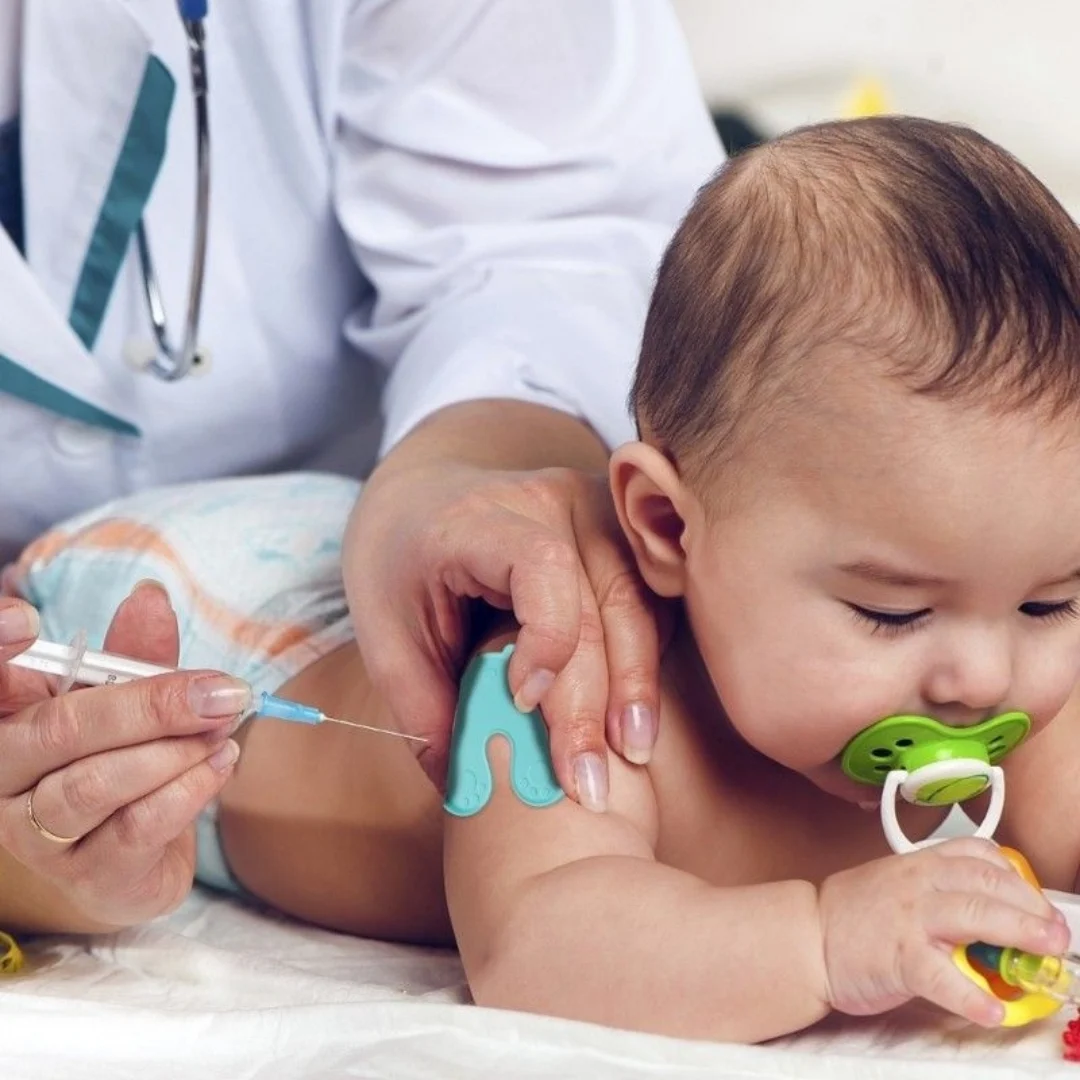
VACCINATION / IMMUNISATION

Immunisation protects children from serious infectious diseases by strengthening their natural immune defenses. Pediatricians create customized vaccination schedules based on age and health needs. Timely vaccines prevent complications, reduce hospitalizations, and ensure long-term wellbeing. Parents receive guidance regarding vaccine safety, side effects, and follow-up doses. Staying updated with immunisations supports community protection and promotes healthier childhood development outcomes.

BREAST FEEDING

Breastfeeding provides essential nutrients required for a baby’s physical growth, brain development, and immune protection. It strengthens emotional bonding between mother and child while lowering infection risks. Pediatric guidance helps mothers learn correct positioning, feeding frequency, and milk supply management. Exclusive breastfeeding is recommended for six months, followed by continued nursing alongside complementary foods for optimal health benefits.

NUTRITION

Child nutrition focuses on providing balanced meals that support growth, energy needs, brain function, and immunity. Parents often require guidance on portion sizes, feeding routines, and healthy food choices. Pediatricians help design age-appropriate dietary plans and address picky eating concerns. Proper nutrition reduces illness risk, supports physical development, enhances concentration, and encourages lifelong healthy eating habits.

FEVER

Fever is a common symptom in children indicating the body’s response to infection or inflammation. Pediatric evaluation helps determine underlying causes and appropriate treatment strategies. Monitoring temperature, ensuring hydration, and providing rest are essential care steps. Parents receive guidance on warning signs requiring urgent attention. Timely management prevents complications, reassures families, and supports faster recovery.

ASTHMA

Childhood asthma is a chronic respiratory condition causing wheezing, breathlessness, chest tightness, and coughing episodes. Although not completely curable, it can be effectively controlled through medications, trigger avoidance, and regular monitoring. Pediatricians develop individualized asthma action plans and educate families about inhaler use. Early diagnosis and proper management help children maintain active lifestyles.
Scroll to Top